



Responsible Dog Ownership
Being a responsible dog owner means staying on top of every aspect of your pet’s care. From physical health and dog grooming to training, exercise, and safety, each part plays an important role in helping your dog live a happy and healthy life.
When your dog is properly cared for, you not only strengthen the bond you share but also help them enjoy the fullest life possible. While regular veterinary visits and professional dog grooming are essential, it’s also important to keep your dog safe at home and be prepared if an emergency occurs.
Below are a few important ways to support your dog’s health and well-being.
Reduce Dangers at Home
Prevention is one of the best ways to protect your dog from accidents or injuries. Many everyday household items can be dangerous for pets if they are chewed, swallowed, or spilled. Be mindful of objects around your home that could cause injuries, choking hazards, and accidental poisoning.
Store Cleaning Products Safely
Many household cleaning supplies contain chemicals that can be harmful to dogs. Always store products such as disinfectants, bleach, detergents, and sprays in cabinets or storage areas that your pet cannot access.
Helpful prevention tips include:
Keeping cleaning products in locked or high cabinets
Avoiding leaving open bottles or buckets unattended
Wiping up spills immediately
Rinsing floors or surfaces after using strong cleaning solutions
Choosing pet-safe cleaning products whenever possible
Even small amounts of certain chemicals can irritate your dog’s skin, mouth, or digestive system if ingested.
Be Aware of Toxic Plants
Many decorative houseplants and landscaping plants can be harmful to pets. Dogs may chew on leaves, stems, or flowers out of curiosity, which can lead to poisoning.
Before bringing plants into your home or yard, check whether the plants are toxic to dogs. If you already have plants, place them in areas that are completely out of your dog’s reach.

Keep Harmful Foods Out of Reach
Some foods that are safe for people can be dangerous for dogs. Always store food securely and remind family members not to share table scraps without knowing what is safe for pets.
Common foods that can be toxic to dogs include:
Chocolate
Grapes and raisins
Onions and garlic
Foods containing xylitol (often found in sugar-free gum and candy)
Alcohol and caffeine
Keeping trash cans secured and cleaning up dropped food quickly can also help prevent accidental ingestion.
Secure Small Objects and Choking Hazards
Dogs, especially puppies, often explore their environment by chewing. Small objects can easily become choking hazards or cause intestinal blockages if swallowed.
To reduce these risks:
Keep small household items such as coins, buttons, batteries, and children’s toys picked up
Choose durable, size-appropriate dog toys
Regularly inspect toys for damage or loose pieces
Store strings, ribbons, rubber bands, and similar items safely
Know Who to Call in an Emergency
Even with careful prevention, accidents can still happen. If you suspect your dog has ingested something toxic, contact your veterinarian immediately.
You may also want to keep the number for Pet Poison Control readily available in case of an emergency. Having this information saved in your phone or posted in your home can help you respond quickly if your dog is exposed to a poisonous substance.

Keep a Pet First Aid Kit Ready
Every dog owner should have a pet first aid kit available at home. While you can purchase a pre-made kit, many owners prefer to build their own.
Common items to include are:
Gauze pads
Adhesive tape
Cotton balls or swabs
Ice pack
Disposable gloves
Blunt-end scissors
Tweezers
Pets often require different care supplies than humans, so make sure your kit is specifically designed for your dog’s needs. It’s also important to keep the kit updated and stored somewhere easily accessible.
Ask your veterinarian for guidance on how to properly use the items in your pet first aid kit so you’re prepared if an emergency happens.
What to Do If Your Dog Is Injured
If your dog becomes injured, try to keep them warm and limit movement as much as possible. Contact your veterinarian immediately and explain what happened so they can prepare for your arrival.
For transportation:
Small dogs: A pet carrier can help keep them secure and stable.
Large dogs: A homemade stretcher may be the safest option.
It’s also helpful to have another person assist you so your dog can be moved carefully and safely. Your veterinarian may provide specific instructions based on the nature of the injury.
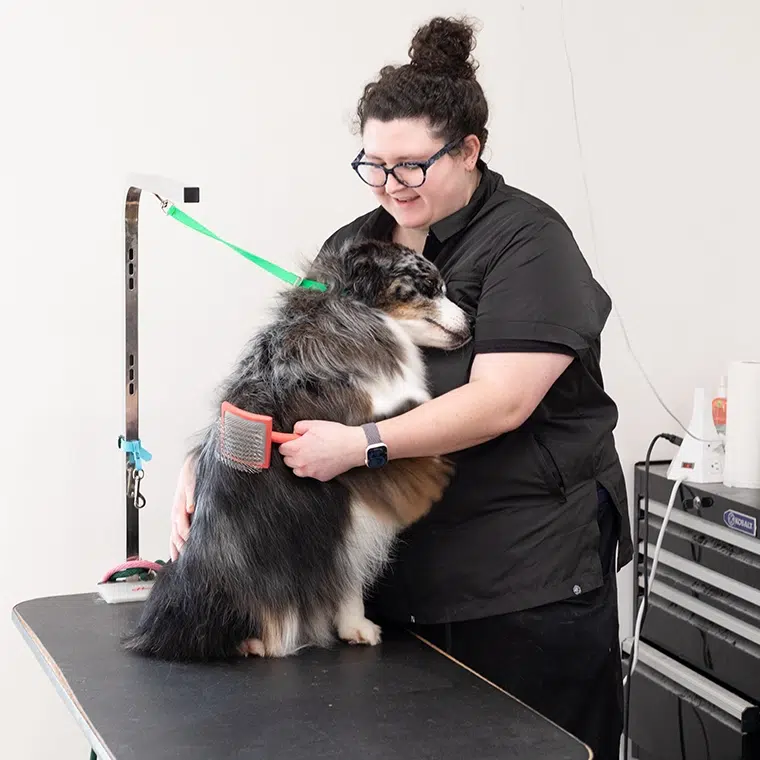
Prioritize Your Dog’s Wellness Care
Routine wellness care is essential for keeping your dog healthy. Regular visits to your veterinarian and professional dog groomer help prevent many common health problems.
Missing dog grooming appointments can lead to issues such as:
If left untreated, these conditions can become uncomfortable for your dog and may eventually require veterinary care. Consistent grooming not only keeps your pet looking great but also supports their overall health.
Support Your Dog’s Health with Professional Dog Grooming
Regular grooming plays an important role in maintaining your dog’s health, comfort, and overall well-being.
At Smoochie Pooch, we understand how many factors contribute to your pet’s health. Our experienced team provides trusted, high-quality dog grooming services designed to keep your furry friend looking and feeling their best.
In addition to professional grooming, we also offer:
If you’re looking for dog grooming near you, our team is here to help.
Contact Smoochie Pooch today to learn more about our services or to schedule your dog’s next grooming appointment.