


Table of Contents
How to Choose the Right Brush for Your Dog’s Coat
With so many grooming tools available, it can be difficult to know which brush is best for your dog. The truth is that different dogs require different grooming tools. Using the wrong brush can make brushing more difficult, damage the coat, or even irritate your pet’s skin. Understanding your dog’s coat type and how each brush works will help you choose the best grooming tools to keep their coat healthy and comfortable.
Below, we’ll walk through common grooming tools, how they work, and which coat types they’re best suited for.
Why the Right Brush Matters
Every dog’s coat serves an important purpose, from regulating body temperature to protecting the skin. When the wrong grooming tool is used, it can damage the coat rather than improve it.
Some deshedding tools remove a lot of the soft fur under your dog’s coat, but they can also damage the top layer of fur. If this happens too often, your dog’s coat may start to look dull, uneven, or thinner than it should.
Using the right brush for your pet’s coat type helps:
Prevent painful matting and tangles
Reduce shedding around your home
Maintain a healthy, shiny coat
Protect the natural texture and color of the fur
Professional groomers use different brushes for different coat types, and pet owners can benefit from using the same approach at home.

Dog Brushing Tips Before You Start
Before discussing specific brushes, it’s important to understand when and how to brush your dog.
Clean Hair Is Easier to Brush
Brushing a coat that is dirty or greasy can be difficult and may even damage the hair. Dirt and oils cause the coat to clump together, making tangles harder to remove.
While you don’t need to bathe your dog every time you brush them, it’s helpful to brush clean, dry hair whenever possible. If your dog’s coat is very dirty, a bath may make brushing much easier afterward.
Use a Light Conditioning Spray
One simple trick professional groomers often recommend is using a light conditioning mist while brushing.
You can make a gentle brushing spray by mixing about ½ teaspoon of conditioner and water in a spray bottle
Lightly mist the section of coat you’re brushing. This helps the brush glide through the hair more easily and reduces breakage or pulling.

Start Brushing Your Dog at a Young Age
The earlier a dog becomes comfortable with brushing, the easier grooming will be throughout their life.
Puppies are the perfect age to introduce grooming routines. Their coats are usually tangle-free, which makes brushing quick and positive. Start with short sessions of just a minute or two each day, offering praise or treats to create a positive experience.
Even if your dog is older, it’s never too late to start building a consistent grooming routine.
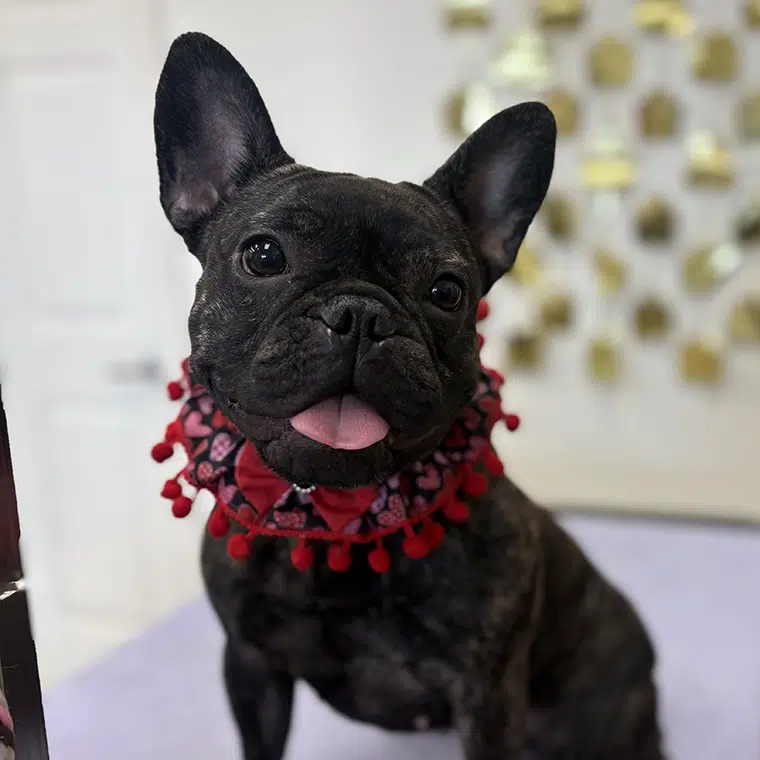
Best Brushes for Short-Haired Dogs
Dogs with short coats typically require less brushing than long-haired breeds, but regular brushing can still help manage shedding and keep their coat healthy.
Examples of short-coated breeds include: Boston Terriers, Pugs, Boxers, and Pit Bulls.
Curry Brushes
One of the best tools for short-haired dogs is a curry brush.
Curry brushes are made of rubber and feature small, rounded knobs that loosen dead hair and undercoat. As you brush, the rubber surface lifts loose hair away from the coat while gently massaging the skin.
Benefits of curry brushes include:
Excellent shedding control
Safe to use on sensitive areas like legs and belly
Gentle on the skin
Easy to clean (many can even go in the dishwasher)
When brushing with a curry brush, move the brush in the direction of hair growth.
Pro Groomer Tip
After using a curry brush, follow up with a boar bristle brush. This helps distribute the natural oils in your dog’s coat, creating a smooth, shiny finish.
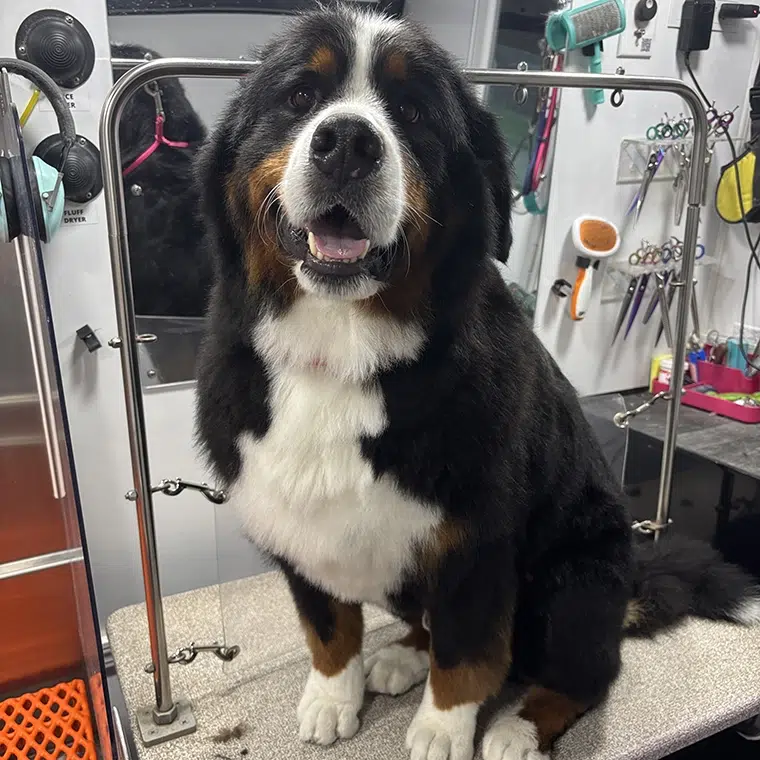
Best Brushes for Double-Coated Dogs
Double-coated breeds have two layers of fur: a soft, insulating undercoat and protective outer coat of guard hairs. Examples include Huskies, Newfoundlands, and Saint Bernards.
These breeds tend to shed heavily, especially during seasonal coat changes in spring and fall.
Slicker Brushes
A slicker brush is one of the most versatile tools for double-coated dogs. These brushes feature fine wire pins set into a rectangular head.
The thin pins help separate packed fur and loosen the dense undercoat without pulling excessively.
Undercoat Rakes and Metal Combs
After using a slicker brush, you can follow up with:
Undercoat rakes, which penetrate thick fur to remove loose undercoat
Metal combs, which help check for tangles and ensure the coat is fully brushed through to the skin
Undercoat rakes are often stronger than combs, making them helpful for very dense coats.
However, these tools should be used carefully. If you’re unsure how to use them properly, ask your professional groomer for guidance.
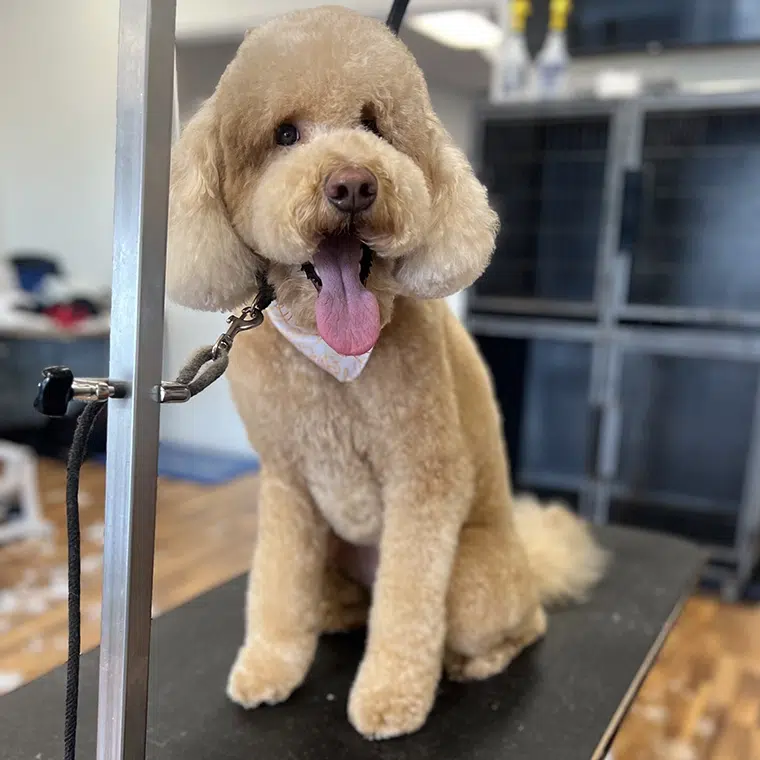
Best Brushes for Long or Curly-Coated Dogs
Dogs with long or curly coats often require the most grooming. Breeds such as poodles, doodles, and many small companion dogs are prone to tangles and matting if not brushed regularly.
Slicker Brush and Metal Comb Combination
For long- and curly-coated dogs, the most effective grooming routine usually includes:
A slicker brush to remove tangles and loosen the coat
A metal comb to ensure the coat is completely tangle-free
Running a comb through the coat after brushing helps confirm that there are no hidden mats close to the skin.
Choosing the Right Slicker Brush
Not all slicker brushes are the same. Consider:
Pin length – thicker coats require longer pins
Pin firmness – dense coats benefit from firmer pins
Dog size and coat thickness
For example:
Thick, curly coats may require longer, firmer pins
Small dogs with fine coats (such as Maltese) may do better with shorter, softer pins
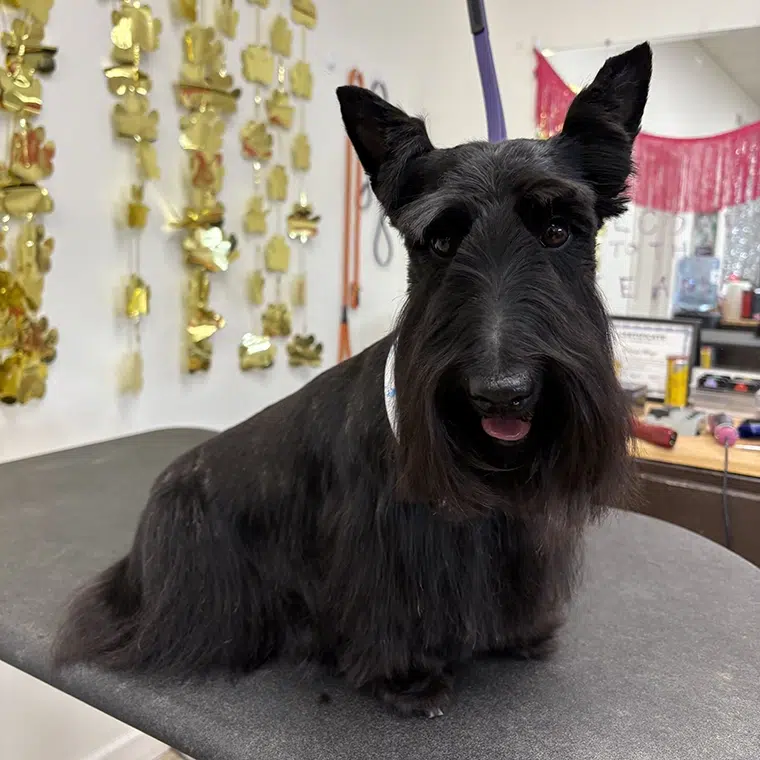
Best Brushes for Wire-Coated Dogs
Wire-coated breeds have a unique coat texture that rarely tangles. Because of this, they typically require less frequent brushing.
However, regular brushing can still help remove loose hair and keep the coat looking neat. Examples of wire coated breeds are Wire Fox Terriers, Schnauzers, Jack Russell Terriers, and Scottish Terriers.
Helpful Tools
For wire-coated breeds, helpful grooming tools include metal combs and undercoat rakes.
Important note: undercoat rakes are not designed for removing mats. Using them incorrectly can cause discomfort or damage the coat. If your dog develops matting, consult a professional groomer.
What Is Hand Stripping?
For many wire-coated breeds, the best grooming method is hand stripping.
Hand stripping is a grooming technique where the groomer removes dead hair from the coat by hand or with specialized tools such as stripping knives or stones.
This process:
Removes dead coat naturally
Preserves the coat’s texture
Maintains rich color and structure
Encourages healthy new hair growth
Because the hair being removed is already dead, the process does not hurt the dog and can even feel relieving.
Not all grooming salons offer hand stripping, so it’s worth asking your local groomer if this service is available.

Choosing the Right Brush for Your Dog
The best grooming tool for your dog depends entirely on their coat type. What works well for a short-haired boxer may not work for a curly-coated doodle or a thick-coated husky.
Still unsure which brush is right for your dog? Your professional groomer can help recommend tools and demonstrate proper brushing techniques.
Consistent Brushing Keeps Your Dog Healthy
No matter your dog’s coat type, regular brushing is one of the most important things you can do to maintain their coat and skin health.
Starting early, brushing consistently, and using the right tools will help:
Reduce shedding
Prevent painful matting
Maintain a healthy coat
Make grooming appointments easier and more comfortable
If you have questions about grooming tools or your dog’s specific coat needs, reach out to your Smoochie Pooch groomer. Our team is always happy to help you choose the best tools and techniques to keep your pet looking and feeling their best.