



As sustainability becomes a growing priority, pet owners have more influence than they might think. Everyday choices—what you buy, how you groom your pet, and how you manage waste—can all contribute to a healthier environment.
Caring for your pet and caring for the planet don’t have to be separate goals. With a few thoughtful adjustments, you can reduce your environmental impact while still giving your pet excellent care.
Eco-Conscious Grooming Practices
Grooming is essential for your pet’s health, but it can also introduce unnecessary chemicals and waste into the environment. Many conventional shampoos and conditioners contain ingredients that rinse into waterways, contributing to pollution.
Switching to biodegradable, plant-based grooming products is a simple way to reduce that impact. You can also cut down on water usage by brushing your pet regularly, which helps keep their coat clean between baths.
If you use a professional groomer, it’s worth choosing one that prioritizes eco-conscious practices, such as water efficiency and environmentally friendly products.

Spaying & Neutering Pets
Spaying and neutering play an important role in sustainability, even if it’s not always framed that way. Pet overpopulation leads to overcrowded shelters, which increases the demand for food, water, energy, and medical care.
By preventing unplanned litters, you help reduce the number of animals relying on these resources. It’s a simple decision that has long-term environmental and community benefits.
To read more about spaying and neutering your pet, click here.

Sustainable Pet Supplies
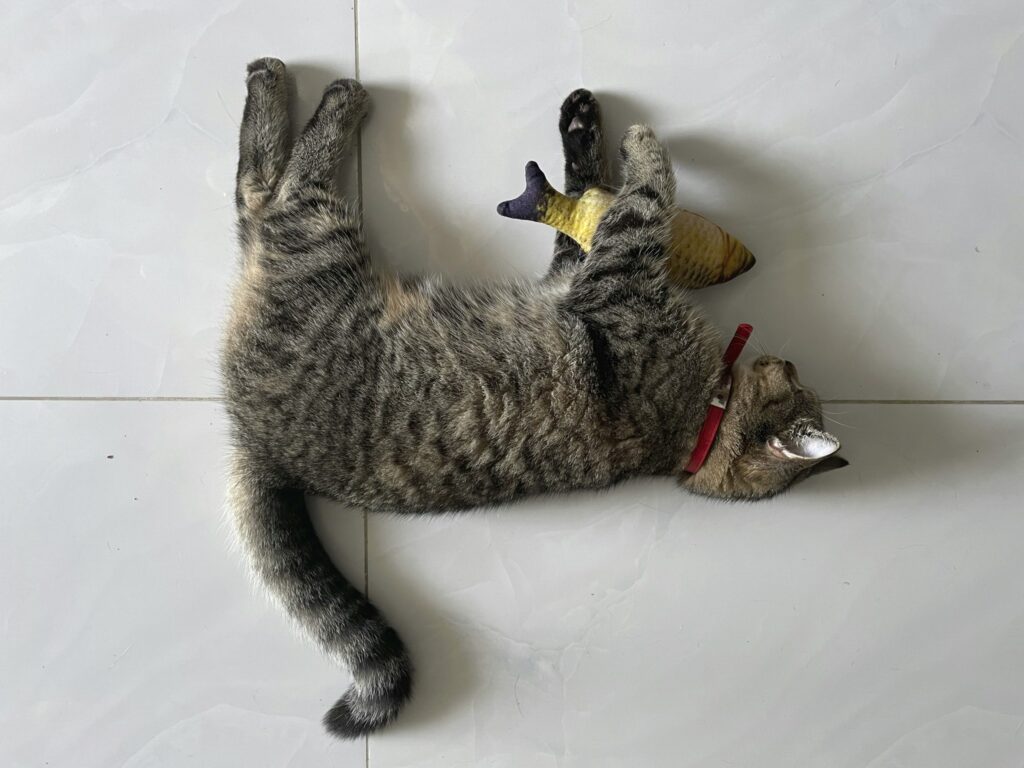
Eco-friendly Pet Toys
The items you buy for your pet can quietly add up in terms of environmental impact. Many toys, beds, and accessories are made from low-quality materials that wear out quickly and end up in landfills.
Choosing durable products made from recycled or renewable materials helps reduce waste over time. While these options may cost more upfront, they tend to last longer and ultimately create less environmental strain.
When possible, look for brands that also minimize packaging or use recyclable materials, as this further reduces your footprint.
Compostable Waste Bags
Cleaning up after your pet is non-negotiable, but the type of bag you use matters more than most people realize. Traditional plastic bags can take hundreds of years to break down, contributing to long-term pollution.
Compostable and biodegradable bags offer a better alternative, but they aren’t a perfect solution. These materials typically require specific conditions—like heat, oxygen, and moisture—to decompose properly. In a landfill, those conditions often aren’t present, which means the bags may not break down as intended.
Being mindful of how you dispose of these bags is just as important as choosing them in the first place.
For more information, click here.
Composting
Composting is nature’s way of recycling organic matter and expediting the natural decomposition process. By harnessing this process, we can effectively reduce waste in landfills and carbon emissions while simultaneously enhancing soil health and preventing erosion. Moreover, composting contributes to water conservation efforts, making it an environmentally beneficial practice with far-reaching impacts on sustainability.
Compositing Dog Fur and Cat Hair
Both dog fur and cat hair are natural sources of nitrogen, which plants thrive on. You can collect the fur or hair through at-home grooming methods such as combing, clipping and brushing, or simply gather it during their natural shedding process. Exercise caution when using hair collected from a vacuum, as it may be mixed with non-compostable items. It’s also advisable to use eco-friendly products and avoid harsh chemicals to not contaminate the hair or fur as it won’t be able to decompose properly.
When composting hair, try not to leave it in clumps or mats in a compost pile. The hair leads compost piles to retain extra water and needs to be spread among other organic materials in order to break down. Read here for more information about composting pet hair.

Composting Pet Waste
Dog fur and cat hair are natural sources of nitrogen, which makes them a useful addition to compost. You can collect hair through regular grooming—brushing, combing, or clipping—or simply gather it during your pet’s natural shedding cycle.
Be mindful of where the hair comes from. Hair collected from a vacuum may be mixed with non-compostable debris, and residues from harsh grooming products can interfere with proper decomposition. Using eco-friendly grooming products helps ensure the material remains compost-safe.
When adding hair to compost, avoid leaving it in clumps or dense mats. Hair tends to trap moisture, which can slow the breakdown process. Instead, spread it thinly and mix it with other organic materials to help it decompose more efficiently.

Biodegradable Litter
Cat waste from traditional litter should not be added to a compost pile. Most conventional litters contain added fragrances or materials like bentonite clay, which do not break down safely and can be harmful to both the environment and human health.
If you’re looking for a more sustainable option, consider switching to eco-friendly cat litter made from biodegradable materials. Some zero-waste brands are designed to be compostable, including the waste itself when handled properly. Alternatively, natural materials like newspaper, wood shavings, sawdust, sand, or potting soil can serve as more environmentally conscious litter options.

Utilize a Pickup Service to Compost Pet Hair and Pet Waste
One of the simplest ways to compost is by using a local pickup or drop-off service, if one is available in your area. Many communities offer programs that handle the composting process for you, making it easy to reduce waste without the extra effort at home.
Before getting started, it’s important to review the service’s guidelines. Not all companies accept pet waste, and some require it to be kept separate from other compostable materials. Following these rules ensures your contributions are processed correctly and safely.
It’s also best to add pet hair in small amounts rather than all at once. Spreading it out helps it break down more efficiently and prevents it from clumping, which can slow the composting process.
Methods for Composting Dog Fur, Cat Hair and Dog Poop at Home
Hot composting, often called open-air composting, is the most traditional and fastest method. It works by creating a balanced pile of green and brown materials that generates heat through microbial activity. For best results, the pile should be about 4 feet wide and 4 feet high to retain enough heat. Placing it in full sun helps speed up decomposition, while turning the pile regularly keeps the process active. In ideal conditions—especially in warmer climates—hot composting can produce usable compost in as little as 3 to 4 weeks.
Cold composting is a slower, lower-maintenance alternative. Instead of actively managing the pile, you simply add organic material over time and let it break down naturally. Because it doesn’t generate as much heat, decomposition takes significantly longer—typically anywhere from 6 months to a year. This method works well for smaller amounts of waste and for those who prefer a more hands-off approach.
Direct burying is one of the oldest and simplest composting methods. It involves digging a hole and placing organic material directly into the soil, where it breaks down naturally. This method is especially useful for small amounts of waste, such as pet fur or kitchen scraps. To avoid attracting wildlife, the material should be buried deep enough and limited to worm-friendly items, including:
- Non-acidic fruits
- Vegetable peelings
- Coffee grounds and tea leaves
- Crushed eggshells
- Other natural, unprocessed materials
Tumbler composting uses a sealed container that can be rotated to mix materials efficiently. This method helps control odor and speeds up decomposition compared to passive systems. It’s a good option for composting larger amounts of waste in a more contained environment. However, it does require regular turning every few days and enough space to accommodate the container, which can be bulky.
Nurturing Pets and the Planet
As responsible pet owners, we hold the power to make mindful choices that benefit both our furry friends and the environment they inhabit. By embracing sustainable pet supplies, eco-conscious grooming practices and composting, we can pave the way for a greener future. Every small action can add up to a significant impact. Let’s continue to nurture our pets while also nurturing the plants.
