Categories
Dog Grooming

Crucial Dog Training Tips to Learn

Dog Training Tips to Reduce Stress

Have you ever noticed your dog acting nervous, restless, or even misbehaving during car rides—especially when heading to the dog groomer? Many dogs experience anxiety during unfamiliar or stressful situations, which can lead to behaviors like whining, barking, pacing, or resisting handling.

The good news is that these behaviors can often be improved with consistent dog training and positive reinforcement. Training helps your dog feel more confident in new environments and makes experiences like visiting your local dog groomer much more comfortable for everyone involved.

Why Dog Training Is Important for Grooming and Travel

Training plays a major role in helping your dog feel safe and relaxed during grooming and travel. 

Benefits of proper dog training include:

  • Better behavior during car rides

  • Reduced anxiety during dog grooming appointments

  • Improved social interactions with people and other pets

  • Easier handling during vet visits or nail trims

  • A stronger bond between you and your pet

Dog Grooming Near Me Roanoke IN

Best Tips and Practices for Training Your Dog

Training does not need to be complicated to be effective. With regular practice and positive reinforcement, your dog can quickly learn behaviors that make everyday life easier.

Keep Training Sessions Short and Fun

Dogs learn best when training sessions are short, engaging, and consistent. Aim for sessions that last 10–15 minutes at a time.

For young puppies, it can be helpful to split training into multiple short sessions throughout the day. This prevents your dog from becoming tired, frustrated, or distracted.

If your dog begins losing focus, it’s best to end the session and try again later.

Reward Positive Behavior

Positive reinforcement is one of the most effective training techniques. When your dog performs the desired behavior, immediately reward them with praise, treats, or affection.

Over time, your dog will associate good behavior with positive outcomes and will be more likely to repeat those behaviors.

Consistency is important. Make sure everyone in your household responds to your dog’s behavior in the same way so that your pet receives clear signals about what is expected.

Use Clear and Simple Commands

Dogs respond best to short, consistent commands. Common beginner commands include:

  • Sit

  • Stay

  • Come

  • Down

  • Leave it

Once your dog understands a command at home, begin practicing in new environments like the yard, on walks, and around visitors.

Practicing commands in different settings helps reinforce your dog’s training and builds confidence in unfamiliar situations.

giving dog pills, best dog groomers near me, cat grooming near me, pet grooming near me

Help Your Dog Get Comfortable with Handling

Grooming involves touching your dog’s paws, ears, face, and body. You can help prepare your dog for professional grooming by getting them comfortable with gentle handling at home.

Try practicing:

  • Touching and holding your dog’s paws

  • Brushing their coat

  • Checking their ears

  • Gently handling their tail

These simple exercises can make a big difference in how your dog behaves during grooming sessions.

Be Patient and Stay Consistent

Every dog learns at their own pace. Some may pick up commands quickly, while others need more repetition and practice.

It’s completely normal to experience setbacks during obedience training. The key is to remain patient and keep training positive. Avoid punishment-based methods, as they can increase fear and anxiety.

Instead, focus on encouragement, consistency, and rewarding good behavior.

Helping Your Dog Stay Calm During Car Rides

If your dog becomes anxious during car trips, gradual exposure can help them feel more comfortable.

Helpful tips include:

  • Taking short practice drives that don’t always end at the vet or groomer

  • Rewarding calm behavior during car rides

  • Using a comfortable crate or seat harness

  • Bringing a favorite toy or blanket

  • Avoiding feeding immediately before travel to reduce nausea

Over time, your dog will begin to associate car rides with positive experiences rather than stress.
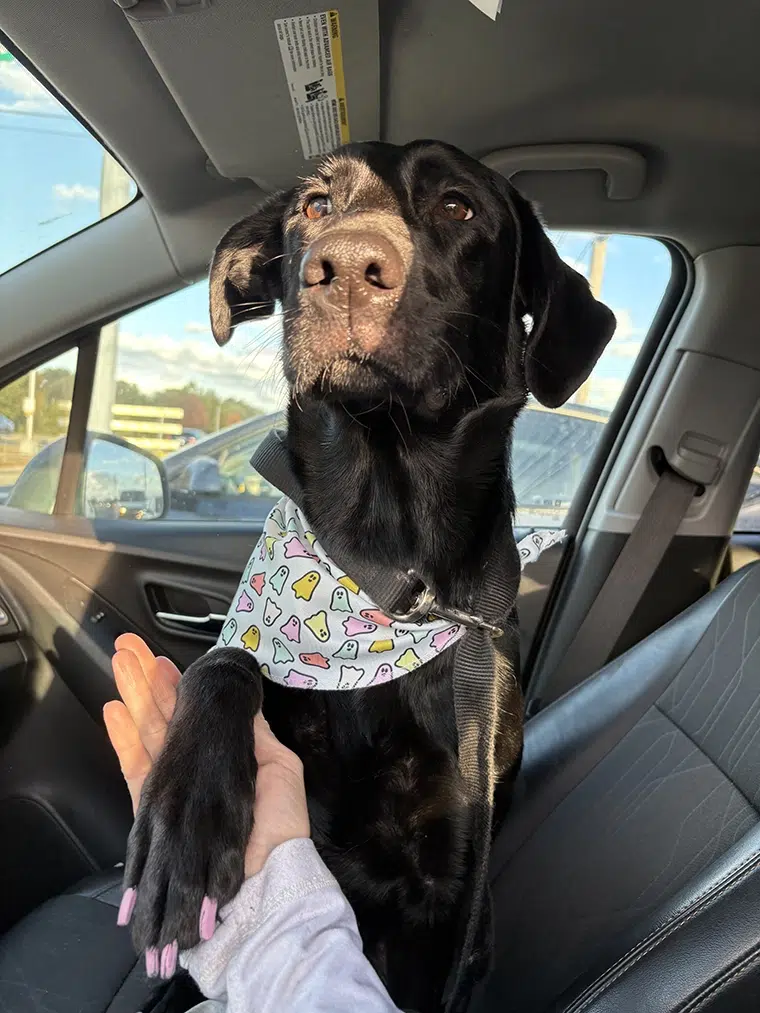
Chocolate Labrador retriever groom Carmel Indiana

Proper Care Goes Beyond Training

Training is an important part of raising a happy, well-behaved dog, but it’s only one piece of the puzzle. A healthy and fulfilled dog also needs:

  • Proper nutrition

  • Regular exercise

  • Routine veterinary care

  • Consistent dog grooming

At Smoochie Pooch, we understand how important it is for dogs to feel comfortable and cared for during grooming. Our experienced team focuses on providing a calm, safe environment while delivering high-quality grooming services.

We offer a variety of services to support your dog’s health and well-being, including:

If you’re looking for a trusted dog groomer near you, our team is here to help your furry friend look and feel their very best.

Contact Smoochie Pooch today to learn more about our services or schedule your dog’s next grooming appointment.

Categories
Dog Grooming

Safety and First Aid Tips for Dog Owners

Responsible Dog Ownership

Being a responsible dog owner means staying on top of every aspect of your pet’s care. From physical health and dog grooming to training, exercise, and safety, each part plays an important role in helping your dog live a happy and healthy life.

When your dog is properly cared for, you not only strengthen the bond you share but also help them enjoy the fullest life possible. While regular veterinary visits and professional dog grooming are essential, it’s also important to keep your dog safe at home and be prepared if an emergency occurs.

Below are a few important ways to support your dog’s health and well-being.

Reduce Dangers at Home

Prevention is one of the best ways to protect your dog from accidents or injuries. Many everyday household items can be dangerous for pets if they are chewed, swallowed, or spilled. Be mindful of objects around your home that could cause injuries, choking hazards, and accidental poisoning.

Store Cleaning Products Safely

Many household cleaning supplies contain chemicals that can be harmful to dogs. Always store products such as disinfectants, bleach, detergents, and sprays in cabinets or storage areas that your pet cannot access.

Helpful prevention tips include:

  • Keeping cleaning products in locked or high cabinets

  • Avoiding leaving open bottles or buckets unattended

  • Wiping up spills immediately

  • Rinsing floors or surfaces after using strong cleaning solutions

  • Choosing pet-safe cleaning products whenever possible

Even small amounts of certain chemicals can irritate your dog’s skin, mouth, or digestive system if ingested.

Be Aware of Toxic Plants

Many decorative houseplants and landscaping plants can be harmful to pets. Dogs may chew on leaves, stems, or flowers out of curiosity, which can lead to poisoning.

Before bringing plants into your home or yard, check whether the plants are toxic to dogs. If you already have plants, place them in areas that are completely out of your dog’s reach. 

poison ivy, animal grooming near me, grooming near me dog

Keep Harmful Foods Out of Reach

Some foods that are safe for people can be dangerous for dogs. Always store food securely and remind family members not to share table scraps without knowing what is safe for pets.

Common foods that can be toxic to dogs include:

  • Chocolate

  • Grapes and raisins

  • Onions and garlic

  • Foods containing xylitol (often found in sugar-free gum and candy)

  • Alcohol and caffeine

Keeping trash cans secured and cleaning up dropped food quickly can also help prevent accidental ingestion.

Secure Small Objects and Choking Hazards

Dogs, especially puppies, often explore their environment by chewing. Small objects can easily become choking hazards or cause intestinal blockages if swallowed.

To reduce these risks:

  • Keep small household items such as coins, buttons, batteries, and children’s toys picked up

  • Choose durable, size-appropriate dog toys

  • Regularly inspect toys for damage or loose pieces

  • Store strings, ribbons, rubber bands, and similar items safely

Know Who to Call in an Emergency

Even with careful prevention, accidents can still happen. If you suspect your dog has ingested something toxic, contact your veterinarian immediately.

You may also want to keep the number for Pet Poison Control readily available in case of an emergency. Having this information saved in your phone or posted in your home can help you respond quickly if your dog is exposed to a poisonous substance.

pet first aid kit to prepare for pet emergency scenarios

Keep a Pet First Aid Kit Ready

Every dog owner should have a pet first aid kit available at home. While you can purchase a pre-made kit, many owners prefer to build their own.

Common items to include are:

  • Gauze pads

  • Adhesive tape

  • Cotton balls or swabs

  • Ice pack

  • Disposable gloves

  • Blunt-end scissors

  • Tweezers

Pets often require different care supplies than humans, so make sure your kit is specifically designed for your dog’s needs. It’s also important to keep the kit updated and stored somewhere easily accessible.

Ask your veterinarian for guidance on how to properly use the items in your pet first aid kit so you’re prepared if an emergency happens.

What to Do If Your Dog Is Injured

If your dog becomes injured, try to keep them warm and limit movement as much as possible. Contact your veterinarian immediately and explain what happened so they can prepare for your arrival.

For transportation:

  • Small dogs: A pet carrier can help keep them secure and stable.

  • Large dogs: A homemade stretcher may be the safest option.

It’s also helpful to have another person assist you so your dog can be moved carefully and safely. Your veterinarian may provide specific instructions based on the nature of the injury.

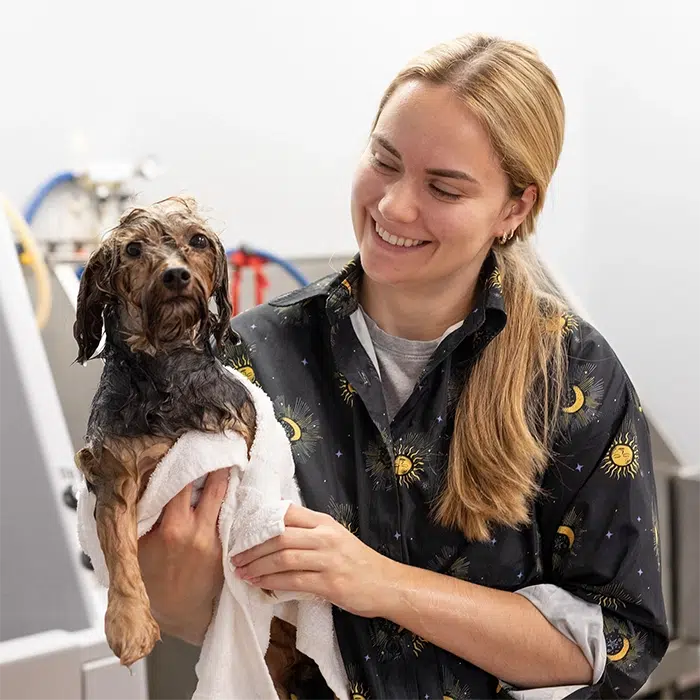
groomer holding dog, dog bathers near me, local dog groomers

Prioritize Your Dog’s Wellness Care

Routine wellness care is essential for keeping your dog healthy. Regular visits to your veterinarian and professional dog groomer help prevent many common health problems.

Missing dog grooming appointments can lead to issues such as:

If left untreated, these conditions can become uncomfortable for your dog and may eventually require veterinary care. Consistent grooming not only keeps your pet looking great but also supports their overall health.

Support Your Dog’s Health with Professional Dog Grooming

Regular grooming plays an important role in maintaining your dog’s health, comfort, and overall well-being.

At Smoochie Pooch, we understand how many factors contribute to your pet’s health. Our experienced team provides trusted, high-quality dog grooming services designed to keep your furry friend looking and feeling their best.

In addition to professional grooming, we also offer:

If you’re looking for dog grooming near you, our team is here to help.

Contact Smoochie Pooch today to learn more about our services or to schedule your dog’s next grooming appointment.

Categories
Blogs

Home Care Tips for In Between Appointments

How to Care for Your Pet Between Grooming Appointments

Many pet owners ask what they can do at home to keep their dogs and cats healthy between professional grooming visits. While regular grooming appointments are essential, the care your pet receives at home plays a big role in maintaining their comfort, hygiene, and overall well-being.

Simple tasks like brushing your pet’s coat, trimming their nails, and checking their ears can make a big difference. By learning a bit more about your pet’s skin, coat, and nail health, you can help prevent common issues such as matting, excessive shedding, skin irritation, and overgrown nails.

At Smoochie Pooch, we typically recommend scheduling a professional grooming appointment every eight weeks, depending on your pet’s breed, coat type, and lifestyle. Our Northern Indiana salons and mobile grooming services provide personalized care that may include:

  • Bathing and coat conditioning

  • Thorough brushing and de-shedding

  • Nail trimming

  • Ear cleaning

  • Haircuts and coat styling

  • Additional services based on your pet’s individual needs

While our professional groomers take care of the heavy lifting, there are several simple routines you can follow at home to help your pet stay comfortable and maintain the results of their grooming.

Why At-Home Grooming Matters

Even if your pet visits the groomer regularly, their coat, nails, and skin still require attention in between appointments. Incorporating small grooming habits into your weekly routine can:

At first, adding grooming to your routine may feel unfamiliar, but most pets quickly adapt when the process is introduced calmly and consistently.

3 Simple Ways to Keep Your Pet’s Grooming on Track

1. Brush Your Pet’s Coat Regularly

Brushing is one of the most important things you can do for your pet between grooming appointments. In most cases, dogs and cats benefit from brushing every other day or even daily, depending on their coat type.

Regular brushing helps:

  • Remove loose fur and reduce shedding

  • Prevent mats and tangles from forming

  • Distribute natural oils through the coat

  • Maintain the look of their professional grooming

It’s also a wonderful bonding activity. Many pets enjoy the one-on-one attention, and brushing gives you an opportunity to check for skin irritation, bumps, or parasites.

If you’re unsure which brush works best for your pet’s coat type, your groomer can recommend the right tools and techniques.

brushing dog, yorkie grooming near me dog grooming facts

2. Stay on Top of Nail Maintenance

Nail care is another important aspect of pet grooming that many owners feel nervous about handling at home. However, keeping your pet’s nails trimmed is essential for their comfort and mobility.

Even though your groomer trims your pet’s nails during their appointment, nails can grow quickly in between visits. If they become too long, they can cause:

  • Discomfort when walking

  • Joint strain or posture issues

  • Scratching injuries to people or furniture

If you’re new to trimming nails, start slowly. Try clipping one nail at a time, rewarding your pet with praise or treats so they associate the process with something positive.

Be careful not to cut too close! If you’re unsure where to trim, ask your groomer for a quick demonstration during your next appointment.

graphic of proper nail trimming techniques, dog nail trimming near me

3. Help Your Pet Feel Comfortable with Grooming

Some pets feel nervous during grooming, especially if they’re not used to certain tools or sensations. Practicing gentle grooming at home can help build their confidence and make professional grooming appointments much smoother.

After your next grooming visit, ask your groomer which parts of the process your pet struggles with the most. For example, they might dislike:

  • Being brushed

  • Having their paws handled

  • The sound of a blow dryer

  • Nail trimming

You can help your pet gradually become more comfortable by introducing these experiences in a calm environment at home.

For instance, if your dog or cat dislikes brushing, start by simply letting them sniff the brush. Reward calm behavior with treats and praise. Slowly work up to short brushing sessions so they learn that grooming is safe and positive.

Over time, this type of practice can reduce anxiety and make future grooming appointments much easier for everyone involved.

dog grooming classes near me

Professional Grooming You Can Trust at Smoochie Pooch

Pet owners want the very best for their furry family members—and that’s exactly what we aim to provide at Smoochie Pooch.

Our experienced groomers understand that every pet has unique needs. Whether your dog or cat requires specialized coat care, help with sensitive skin, or simply routine grooming to maintain a healthy coat, we’re here to help.

By combining regular professional grooming with simple at-home care, you can significantly improve your pet’s comfort, hygiene, and quality of life.


Categories
Blogs Cat Grooming Dog Grooming pet grooming Preventions Skin Care

Brushing Your Pet: Best Practices and Brushes

Table of Contents

How to Choose the Right Brush for Your Dog’s Coat

With so many grooming tools available, it can be difficult to know which brush is best for your dog. The truth is that different dogs require different grooming tools. Using the wrong brush can make brushing more difficult, damage the coat, or even irritate your pet’s skin. Understanding your dog’s coat type and how each brush works will help you choose the best grooming tools to keep their coat healthy and comfortable.

Below, we’ll walk through common grooming tools, how they work, and which coat types they’re best suited for.

Why the Right Brush Matters

Every dog’s coat serves an important purpose, from regulating body temperature to protecting the skin. When the wrong grooming tool is used, it can damage the coat rather than improve it.

Some deshedding tools remove a lot of the soft fur under your dog’s coat, but they can also damage the top layer of fur. If this happens too often, your dog’s coat may start to look dull, uneven, or thinner than it should.

Using the right brush for your pet’s coat type helps:

  • Prevent painful matting and tangles

  • Reduce shedding around your home

  • Maintain a healthy, shiny coat

  • Protect the natural texture and color of the fur

Professional groomers use different brushes for different coat types, and pet owners can benefit from using the same approach at home.

poodle comb, pet grooming near me

Dog Brushing Tips Before You Start

Before discussing specific brushes, it’s important to understand when and how to brush your dog.

Clean Hair Is Easier to Brush

Brushing a coat that is dirty or greasy can be difficult and may even damage the hair. Dirt and oils cause the coat to clump together, making tangles harder to remove.

While you don’t need to bathe your dog every time you brush them, it’s helpful to brush clean, dry hair whenever possible. If your dog’s coat is very dirty, a bath may make brushing much easier afterward.

Use a Light Conditioning Spray

One simple trick professional groomers often recommend is using a light conditioning mist while brushing.

You can make a gentle brushing spray by mixing about ½ teaspoon of conditioner and water in a spray bottle

Lightly mist the section of coat you’re brushing. This helps the brush glide through the hair more easily and reduces breakage or pulling.

the puppy cut, smelly dog ears, how often do dogs need their nails trimmed, mobile cat groomer near me

Start Brushing Your Dog at a Young Age

The earlier a dog becomes comfortable with brushing, the easier grooming will be throughout their life.

Puppies are the perfect age to introduce grooming routines. Their coats are usually tangle-free, which makes brushing quick and positive. Start with short sessions of just a minute or two each day, offering praise or treats to create a positive experience.

Even if your dog is older, it’s never too late to start building a consistent grooming routine.

Best Brushes for Short-Haired Dogs

Dogs with short coats typically require less brushing than long-haired breeds, but regular brushing can still help manage shedding and keep their coat healthy.

Examples of short-coated breeds include: Boston Terriers, Pugs, Boxers, and Pit Bulls.

Curry Brushes

One of the best tools for short-haired dogs is a curry brush.

Curry brushes are made of rubber and feature small, rounded knobs that loosen dead hair and undercoat. As you brush, the rubber surface lifts loose hair away from the coat while gently massaging the skin.

Benefits of curry brushes include:

  • Excellent shedding control

  • Safe to use on sensitive areas like legs and belly

  • Gentle on the skin

  • Easy to clean (many can even go in the dishwasher)

When brushing with a curry brush, move the brush in the direction of hair growth.

Pro Groomer Tip

After using a curry brush, follow up with a boar bristle brush. This helps distribute the natural oils in your dog’s coat, creating a smooth, shiny finish.

Best Brushes for Double-Coated Dogs

Double-coated breeds have two layers of fur: a soft, insulating undercoat and protective outer coat of guard hairs. Examples include Huskies, Newfoundlands, and Saint Bernards.

These breeds tend to shed heavily, especially during seasonal coat changes in spring and fall.

Slicker Brushes

A slicker brush is one of the most versatile tools for double-coated dogs. These brushes feature fine wire pins set into a rectangular head.

The thin pins help separate packed fur and loosen the dense undercoat without pulling excessively.

Undercoat Rakes and Metal Combs

After using a slicker brush, you can follow up with:

  • Undercoat rakes, which penetrate thick fur to remove loose undercoat

  • Metal combs, which help check for tangles and ensure the coat is fully brushed through to the skin

Undercoat rakes are often stronger than combs, making them helpful for very dense coats.

However, these tools should be used carefully. If you’re unsure how to use them properly, ask your professional groomer for guidance.

Best Brushes for Long or Curly-Coated Dogs

Dogs with long or curly coats often require the most grooming. Breeds such as poodles, doodles, and many small companion dogs are prone to tangles and matting if not brushed regularly.

Slicker Brush and Metal Comb Combination

For long- and curly-coated dogs, the most effective grooming routine usually includes:

  1. A slicker brush to remove tangles and loosen the coat

  2. A metal comb to ensure the coat is completely tangle-free

Running a comb through the coat after brushing helps confirm that there are no hidden mats close to the skin.

Choosing the Right Slicker Brush

Not all slicker brushes are the same. Consider:

  • Pin length – thicker coats require longer pins

  • Pin firmness – dense coats benefit from firmer pins

  • Dog size and coat thickness

For example:

  • Thick, curly coats may require longer, firmer pins

  • Small dogs with fine coats (such as Maltese) may do better with shorter, softer pins

Best Brushes for Wire-Coated Dogs

Wire-coated breeds have a unique coat texture that rarely tangles. Because of this, they typically require less frequent brushing.

However, regular brushing can still help remove loose hair and keep the coat looking neat. Examples of wire coated breeds are Wire Fox Terriers, Schnauzers, Jack Russell Terriers, and Scottish Terriers.

Helpful Tools

For wire-coated breeds, helpful grooming tools include metal combs and undercoat rakes.

Important note: undercoat rakes are not designed for removing mats. Using them incorrectly can cause discomfort or damage the coat. If your dog develops matting, consult a professional groomer.

What Is Hand Stripping?

For many wire-coated breeds, the best grooming method is hand stripping.

Hand stripping is a grooming technique where the groomer removes dead hair from the coat by hand or with specialized tools such as stripping knives or stones.

This process:

  • Removes dead coat naturally

  • Preserves the coat’s texture

  • Maintains rich color and structure

  • Encourages healthy new hair growth

Because the hair being removed is already dead, the process does not hurt the dog and can even feel relieving.

Not all grooming salons offer hand stripping, so it’s worth asking your local groomer if this service is available.

hand stripping dog groomer service

Choosing the Right Brush for Your Dog

The best grooming tool for your dog depends entirely on their coat type. What works well for a short-haired boxer may not work for a curly-coated doodle or a thick-coated husky.

Still unsure which brush is right for your dog? Your professional groomer can help recommend tools and demonstrate proper brushing techniques.


Consistent Brushing Keeps Your Dog Healthy

No matter your dog’s coat type, regular brushing is one of the most important things you can do to maintain their coat and skin health.

Starting early, brushing consistently, and using the right tools will help:

  • Reduce shedding

  • Prevent painful matting

  • Maintain a healthy coat

  • Make grooming appointments easier and more comfortable

If you have questions about grooming tools or your dog’s specific coat needs, reach out to your Smoochie Pooch groomer. Our team is always happy to help you choose the best tools and techniques to keep your pet looking and feeling their best. 

Categories
Additional Services Blogs Dog Grooming Pet Nutrition Preventions

Shedding: Causes and How to Reduce Excessive Shedding

“My dog is shedding like crazy!”

This is something we hear every day! We love our pets, but our vacuum does not share the same sentiment. Let’s break down some causes and some great ways to reduce it.

All Pets Shed

First things first: every pet sheds. Yes—even pets that are considered “non-shedding.”

Humans shed hair too. Think about the last time you cleaned out your hairbrush or noticed loose hairs on your pillow. Pets go through the same natural process.

However, not all pets shed at the same rate. Shedding can vary depending on several factors, including:

  • Breed

  • Coat type

  • Diet and overall health

  • Grooming routine

  • Seasonal changes

For example: Poodles are often called “non-shedding” because they shed very little. Golden Retrievers are known as shedding breeds and tend to lose much more hair.

Even breeds that shed very little still lose some hair—it’s just usually less noticeable.


dreaded matting problem, how does matting fur happen to my dog

The Shedding Process

Shedding happens as part of your pet’s natural hair growth cycle.

Each hair on your dog’s body grows from a small structure in the skin called a hair follicle. Over time, the hair grows, stops growing, and eventually falls out so new hair can take its place.

Hair grows in three different stages, and each hair follicle is on its own schedule. This means one hair may be growing while the hair next to it is getting ready to fall out.

This is actually a good thing. If all the hairs were on the same schedule, your pet could lose huge amounts of hair at once and become bald. Thankfully, that rarely happens.

A dog’s coat is also designed differently in different parts of the body. For example, a Golden Retriever has short hair on the face and legs but longer, feathered hair on the chest, tail, and body. Your dog’s body naturally grows each type of hair where it’s needed.

Understanding Undercoat and Guard Hairs

Most dogs actually have two types of hair in each follicle:

  • Guard hairs – the longer outer hairs that protect the coat

  • Secondary hairs (undercoat) – the soft, fluffy hairs underneath

A single hair follicle can hold one guard hair and several undercoat hairs. These soft undercoat hairs are the ones you often see collecting on your floors, furniture, or clothing.

When these hairs reach the end of their growth cycle, they fall out to make room for new ones. This is why shedding is both natural and healthy.

Sometimes shedding feels excessive—and sometimes it actually is.


Why is My Dog Shedding So Much?

Diet and Nutrition

Your dog’s diet plays an important role in skin and coat health. Pets that eat a well-balanced, high-quality diet often have, healthier skin, stronger hair follicles, shinier coats, and less excessive shedding.

When pets receive the nutrients they need internally, it often shows in the condition of their coat.

Grooming Routine

In many cases, excess shedding is related to grooming habits.

When loose hair and undercoat aren’t removed regularly, they can build up in the coat. Eventually, those hairs start falling out all at once around your home.

Regular grooming helps remove dead hair before it ends up on your floors.

That’s why we recommend keeping pets on a consistent grooming schedule with professional groomers.

Medical Conditions That Can Cause Hair Loss

While shedding is normal, excessive hair loss or bald patches may be a sign of a health issue.

Certain medical conditions can affect the skin and coat, including:

  • Thyroid disease

  • Cushing’s disease

  • Addison’s disease

  • Diabetes

  • Types of alopecia (hair loss disorders)

At Smoochie Pooch, our groomers evaluate each pet’s skin and coat at the beginning of every appointment. Regular grooming visits can help spot potential issues early so you can follow up with your veterinarian if needed.

What Is a Deshed Treatment?

For pets that shed heavily, professional grooming can make a big difference.

At Smoochie Pooch, we offer a specialized Deshed Treatment for dogs (and cats at participating locations).

This service includes:

  • A specialized bathing process designed to loosen packed undercoat

  • A thorough drying routine that helps remove loose hair

  • Extra brushing to safely remove dead coat

While it’s impossible to stop shedding completely, these treatments can reduce shedding by more than 50% in many pets.

Be cautious of any product that promises to completely eliminate shedding. Because shedding is a natural biological process, it should never stop entirely.

Before and after Deshed Treatment at Smoochie Pooch

Ways You Can Reduce Shedding at Home

While shedding can’t be eliminated, there are several things you can do to help manage it.

1. Add a Skin and Coat Supplement

Skin and coat supplements can help support healthy fur and reduce excessive shedding. Nutrients to look out for are:

  • Sardine oil

  • Anchovy oil

  • Hempseed oil

  • Omega-3, Omega-6, and Omega-9 fatty acids

These nutrients may help support skin health while also assisting with issues such as dry skin, hot spots, allergic reactions, and joint discomfort.

2. Schedule Regular Grooming

Routine grooming helps remove dead hair before it ends up around your home.

We typically recommend scheduling professional grooming every 4–6 weeks depending on your pet’s coat type.

3. Consider a Professional Deshed Treatment

Deshed treatments are designed specifically for heavy-shedding pets and can dramatically reduce loose hair.

These services work by removing packed undercoat safely and thoroughly. Ask your groomer about our deshed package at your next appointment.

4. Be Careful With Deshedding Tools

Some deshedding tools advertised online may actually cut the hair instead of removing loose fur naturally.

Tools like deshedding blades can act like razors, which may damage your pet’s coat over time. If you’re unsure which tools are safe to use, ask a professional groomer for recommendations.

5. Bathe Before Brushing

Brushing works best on clean coats. Dirty hair tends to clump together and can make brushing more difficult.

Bathing your pet before brushing can help loosen dead hair and make grooming much easier.

6. Talk to Your Veterinarian if Shedding Seems Unusual

If your pet suddenly starts shedding much more than usual, develops bald patches, or shows signs of irritated skin, it’s best to consult your veterinarian.

These symptoms could indicate an underlying health issue that requires medical attention.


Still Have Questions About Shedding?

Shedding is a natural part of pet ownership, but it doesn’t have to take over your home. With the right grooming routine and professional care, you can keep your pet’s coat healthy while minimizing loose hair.

If you have questions about shedding, grooming tools, or your pet’s coat type, talk to one of the professional groomers at Smoochie Pooch. Our team is always happy to help keep your furry friend looking and feeling their best.